
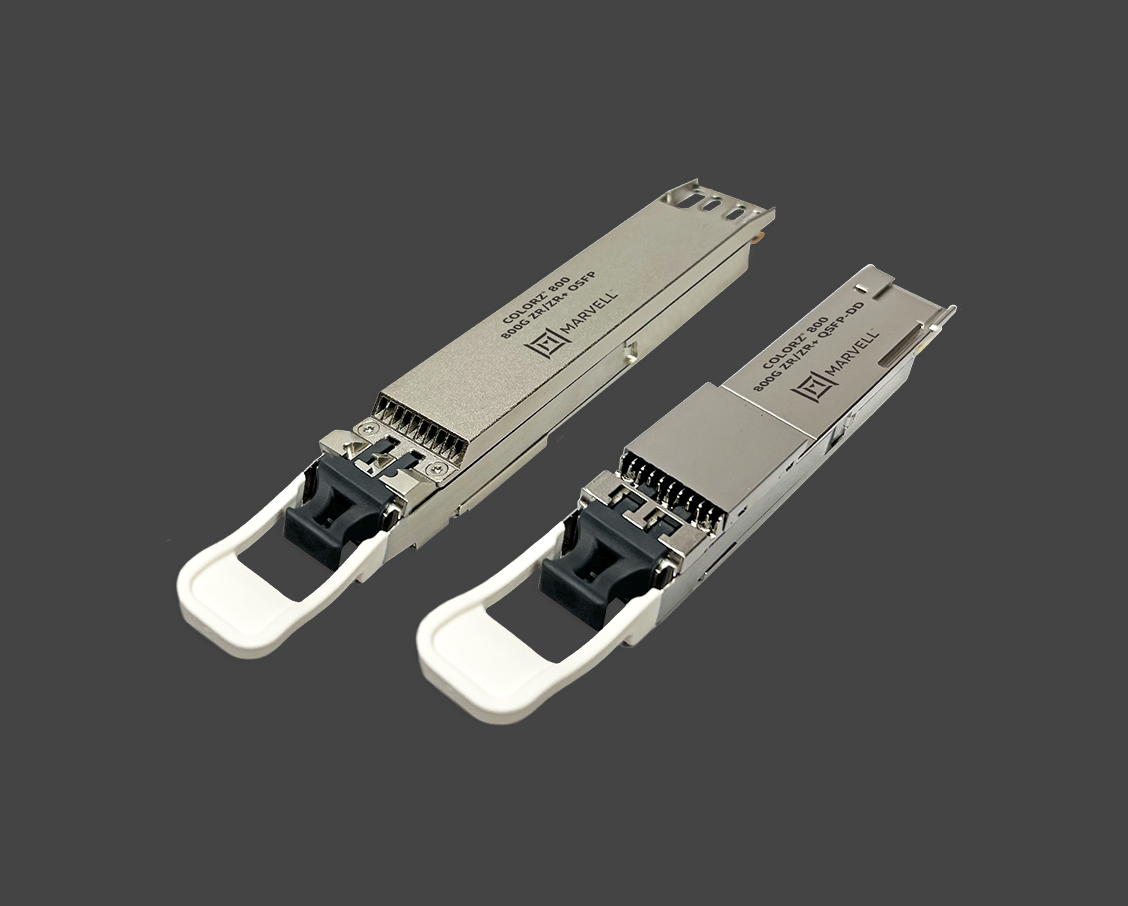


Markets
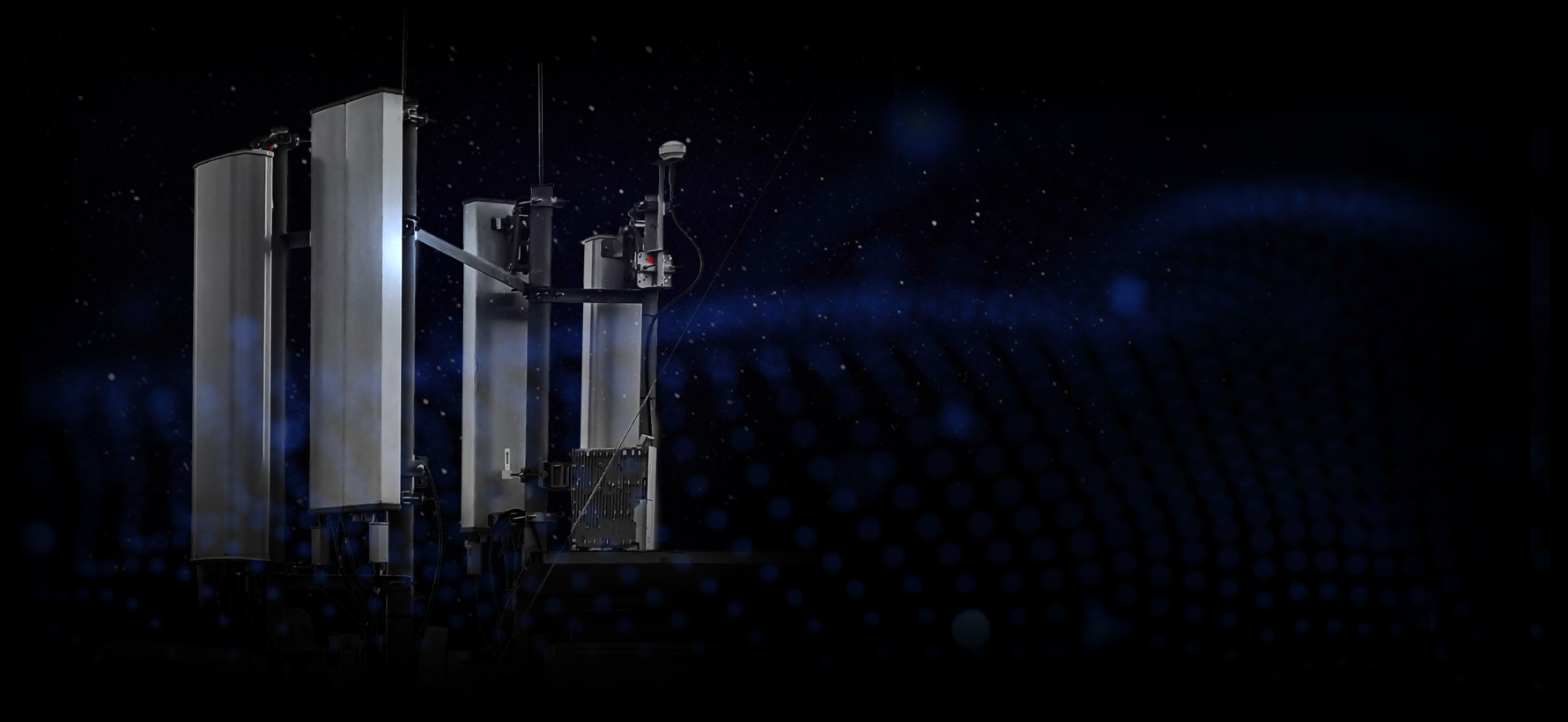
5G Network Silicon that Connects the World
With increased capabilities, performance and edge intelligence, 5G enables a plethora of new consumer and enterprise applications that promise to transform entire industries and serve the world's diverse connectivity needs for years to come. Marvell’s compute, security and networking platforms are proven at global scale with the performance and programmability that enable carriers to sustainably innovate in this frontier without compromise.
Learn More
Enabling the Software-defined Vehicle
Modern vehicles are becoming smartphones on wheels in which over-the-air software updates continuously enhance vehicle autonomy, features, safety, and security. Underpinning this evolution is a zonal vehicle computing architecture connected by a high-speed Ethernet network. Working closely with leading automotive manufacturers and partners, Marvell is delivering the semiconductor innovation needed to enable the software-defined vehicle.
Learn More
Modernizing and Securing the Campus
To power digital transformation, IT must design a more robust, secure and autonomous enterprise network that spans HQ to branch to data center to cloud. Network equipment must support rising bandwidth demands, a more complex threat landscape and the analytics needed to power AIOps tools. Marvell’s networking and compute portfolio delivers the performance, intelligence, security and telemetry needed for the modern enterprise network.
Learn More
Optimized Data Infrastructure for Cloud and AI
As the demand for cloud-based AI applications grows, having optimized data infrastructure that offers high performance, scalability, and security is crucial. Marvell's portfolio of cloud-optimized silicon provides best-in-class solutions for compute, storage, networking, and connectivity, with high bandwidth capabilities. This ensures the optimal data infrastructure for each unique cloud data center.
Learn More


